


Can skin damage caused by the sun be repaired or even reversed?
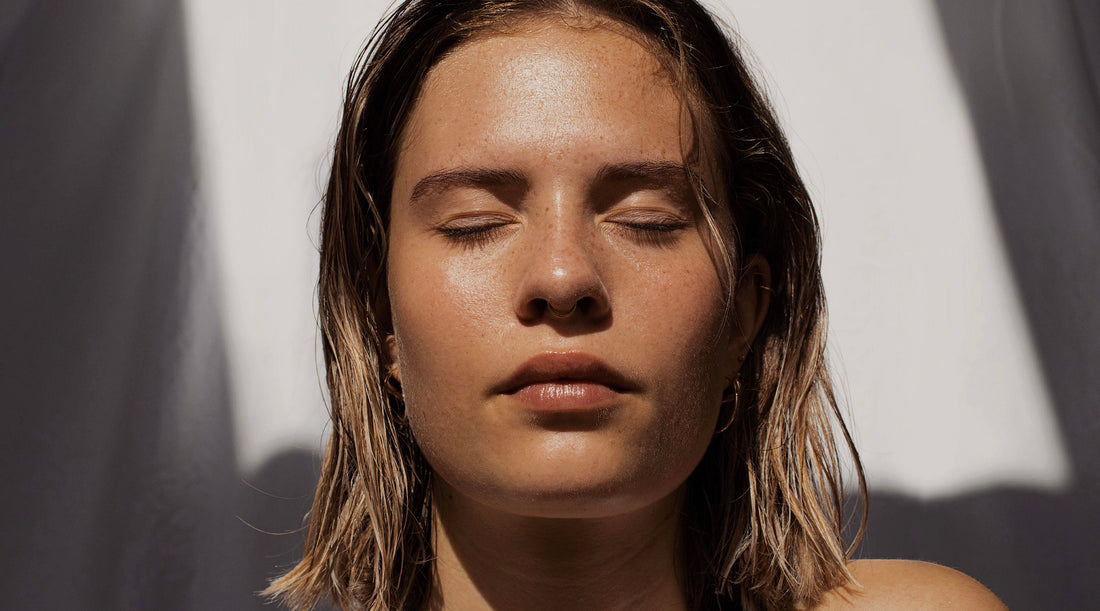
In the past, I've been sunburnt and haven't protected my skin as well as I should. Is it too late to prevent skin cancer and premature skin ageing?
Your skin is your largest organ and has a long memory. Sun exposure and ultraviolet (UV) damage is cumulative throughout your life. Research shows that sun damage contributes to more than 90% of wrinkles, brown spots, premature skin ageing as well as precancerous and cancerous skin lesions.
Limiting sun exposure is very important, as the UV rays cause the most damage to the skin. It often takes many years and sometimes decades for the effects to become visible.
But the good news is that taking care of your skin from now onwards may be able to help you to reduce the probability of skin cancers and minimise skin ageing.
What measures do medical experts recommend to maintain healthy skin?
Start sun-safe practices now and never stop. They will become part of your everyday routine and you will quickly become accustomed to them.
- Use a broad-spectrum (UVA and UVB protection) sunscreen daily with an SPF of 50+ on all exposed skin. Even on cloudy days, up to 80% of UV rays can penetrate through the clouds. Choose a sunscreen which you find easy to apply with a scent that you enjoy. Find the best product that you will actually enjoy using. It is recommended that you apply 20 minutes before going out, reapply every 2 hours and immediately after swimming. Sunscreen is the first step to any skin repair programme. Using sunscreen daily will prevent further UV damage and give you some chance to prevent further damage.
- Limiting UV exposure is also important. Medical experts recommend early morning or late afternoons for outdoor activities. This is the time when the sun is least intense and the UV rating is the lowest too.
- Seek shade and shaded areas when possible. If shade isn't available, think about using a sun-protective umbrella. Solbari has developed a compact UPF50+ umbrella, which you can take with you when travelling or walking.
- Try and go out when the sun is least intense, such as early in the morning.
- When in the sun, it is advisable to cover as much of your skin as you can. Clothing is a great way to protect large areas of your skin. According to the Skin & Cancer Foundation medical experts, sun protective clothing is the best way to protect your skin. Solbari offers the highest sun protective rating available in the world of UPF50+ and blocks more than 98% of UVA and UVB rays. You can read more about our UPF50+ fabrics here. If you are interested to browse Solbari's UPF50+ for women and men.
- Stay away from tanning beds. These can cause serious harm to the skin and can produce even more concentrated UV exposure than the sun. If you want a sun-kissed glow, then it's a good idea to use a good quality fake tan.
How do I go about repairing the damage to my skin or even reversing it?
We are talking about repairing your damaged DNA. Some of your skin cells will repair themselves naturally as they are equipped with natural repair enzymes to help repair sun-damaged DNA cells. However, with age, these repair mechanisms become less effective. They can be replaced with products which contain DNA repair enzymes.
Some medical experts recommend retinoid and topical retinoid, which are vitamin A derivatives. These may help shed damaged skin layers and rebuild damaged collagen. However, be aware that such treatments can lead to increased photosensitivity. So if you decide to use them, speak to your medical practitioner and make sure you practise sun protection rigorously.
Laser treatments may also help remove sun-damaged cells and stimulate collagen production. Some lasers may also be able to treat precancerous skin cancers lesions. It is best to speak to your dermatologist who should be able to advise you on which treatment is best suited.
You can find out more about Solbari's certified UPF50+ sun protective range by clicking the links below:
Women UPF 50+
Men UPF 50+
Sun Hats UPF 50+
Accessories UPF 50+


