Why it would be a mistake to dismiss non-melanoma skin cancer

2 min read
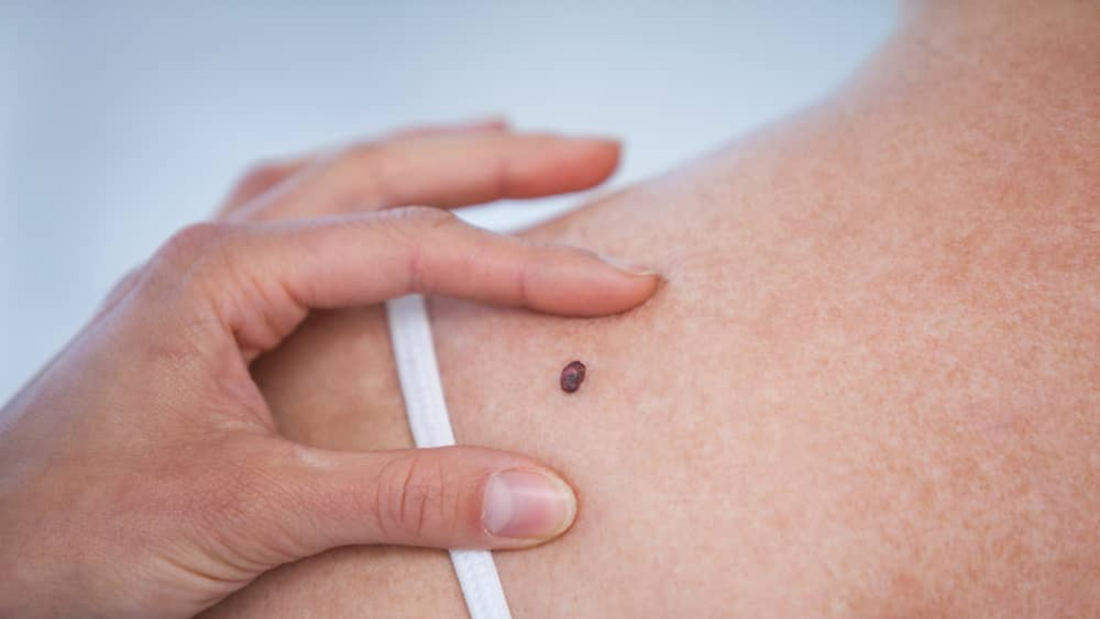
Why it would be a mistake to dismiss non-melanoma cancer

Melanoma gets the headlines, and for good reason, with a mortality rate at around 10% it is far higher than all other forms of skin cancer, sitting at less than 1% overall.

However, this focus on mortality rates has made people think that only melanoma is serious and that other forms of skin cancer are nothing to worry about.

So, you might be surprised to hear that as many Australians die from non-melanoma skin cancers each year as they do from melanoma.

What are non-melanoma skin cancers? Non-melanoma skin cancer includes basal cell carcinoma (BCC) and squamous cell carcinoma (SCC). Typically, BCC account for 70% and SCC for 29%, with rare forms of non-melanoma skin cancers making up the remaining 1%.

PWC predicts that around 1,700 Australian’s will die from non-melanoma skin cancer in 2020 (this compares to 1,400-2,000 melanoma related deaths in Australia per annum). Sadly, that translates to around 4 people dying each day in Australia due to non-melanoma skin cancer.

You might be wondering, but if I’ve been led to believe that non-melanoma skin cancer is far less serious then how can the death numbers be so high? The reason is because non-melanoma skin cancers are common. Around 570,000 non-melanoma skin cancer cases are expected to be diagnosed in 2020 in Australia alone.

The best way to prevent sunburn, skin ageing and skin cancer is to wear UPF 50+ sun protective clothing, broad brim sun hats and apply sunscreen to any remaining exposed skin with a SPF of at least 30.

Solbari offers a range of sun protection products including UPF50+ clothing, sun hats and accessories including UPF50+ arm sleeves, sun protection umbrellas and many more specialist sun protective products.

You can find out more about Solbari's certified UPF50+ sun protective range by clicking the links below:

Women UPF 50+
Men UPF 50+
Sun Hats UPF 50+
Accessories UPF50+
SPF 50+ Sunscreen
Skin Check App

Back to blog homepage

Content Disclaimer: All content on the Solbari website is for informational purposes only. It does not constitute and is not intended to be a substitute for professional medical advice, diagnosis or treatment. Never disregard professional medical advice or delay seeking it because of something you have read on this website. Reliance on any information provided on this website is solely at your own risk. Always seek the guidance of your doctor or other qualified health professional with any questions about your health or a medical condition.

More articles

Courtney wears a Solbari sun hat and Luxe Sun Wrap

Your Story Series: Courtney

Skin Cancer & Melanoma
3 min read

After seeking help for a spot that was changing colour and getting bigger, Courtney was diagnosed with melanoma. She has since prioritised her health above everything else, and has incorporated sun protection as a non-negotiable in her daily routine. 

How UPF 50+ Sun Protection Can Help Alleviate Rosacea

How UPF 50+ Sun Protection Can Help Alleviate Rosacea

Skin Cancer & Melanoma
2 min read

Does overexposure to UV rays affect Rosacea? How can UPF 50+ sun protective clothing help to alleviate this skin condition? Find out more.

Courtney Mangan wears Solbari UPF 50+ products

Your Story Series: Courtney Mangan

Skin Cancer & Melanoma
2 min read

After four melanoma diagnoses, Courtney Mangan's journey to nearly five years cancer-free reflects extraordinary resilience and a renewed commitment to lifelong sun safety.

A doctor conducts a skin check

Year-Round Skin Health Tips

Skin Health Education
3 min read

Maintain healthy skin all year round with daily sun protection, monthly self exams, and annual dermatologist skin checks. Learn how simple habits can reduce skin cancer risk, support early detection, and keep your skin protected for the long term.

Your Story: Eadie

Your Story Series: Eadie

Skin Cancer & Melanoma
2 min read

At just 22, Eadie was diagnosed with a Basal Cell Carcinoma. Today, she shares how her relationship with the sun, and sun protection, has changed.